01 / 06
Ion-selective electrodes
Electrodes that pick one ion out of many.
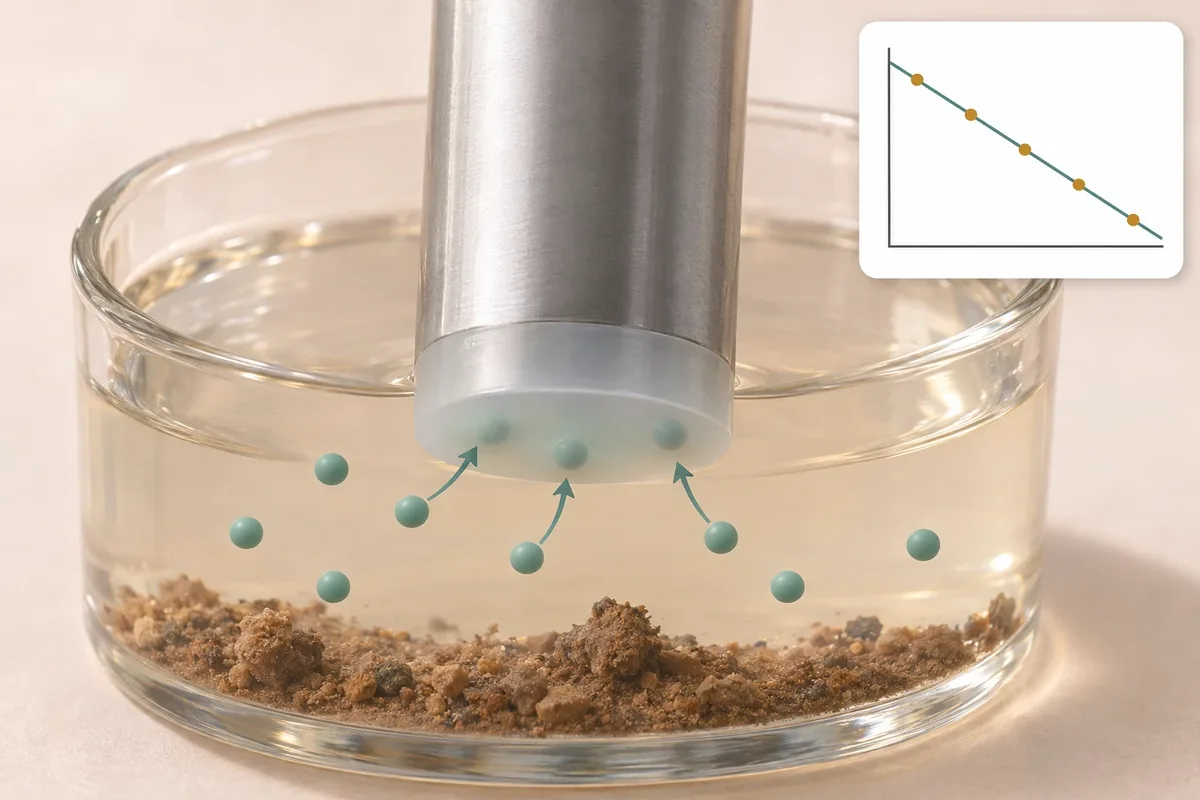
Fertilizer decisions are usually made from laboratory soil analysis that takes days. We develop electrochemical sensors that read nutrient ions directly in soil and hydroponic solutions, so that the measurement can happen in the field. An electrode reads the free-ion activity of the solution it touches, while standard laboratory analysis reports the concentration in an extract, so we calibrate one against the other.
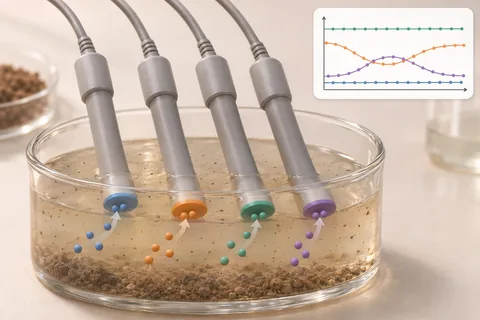
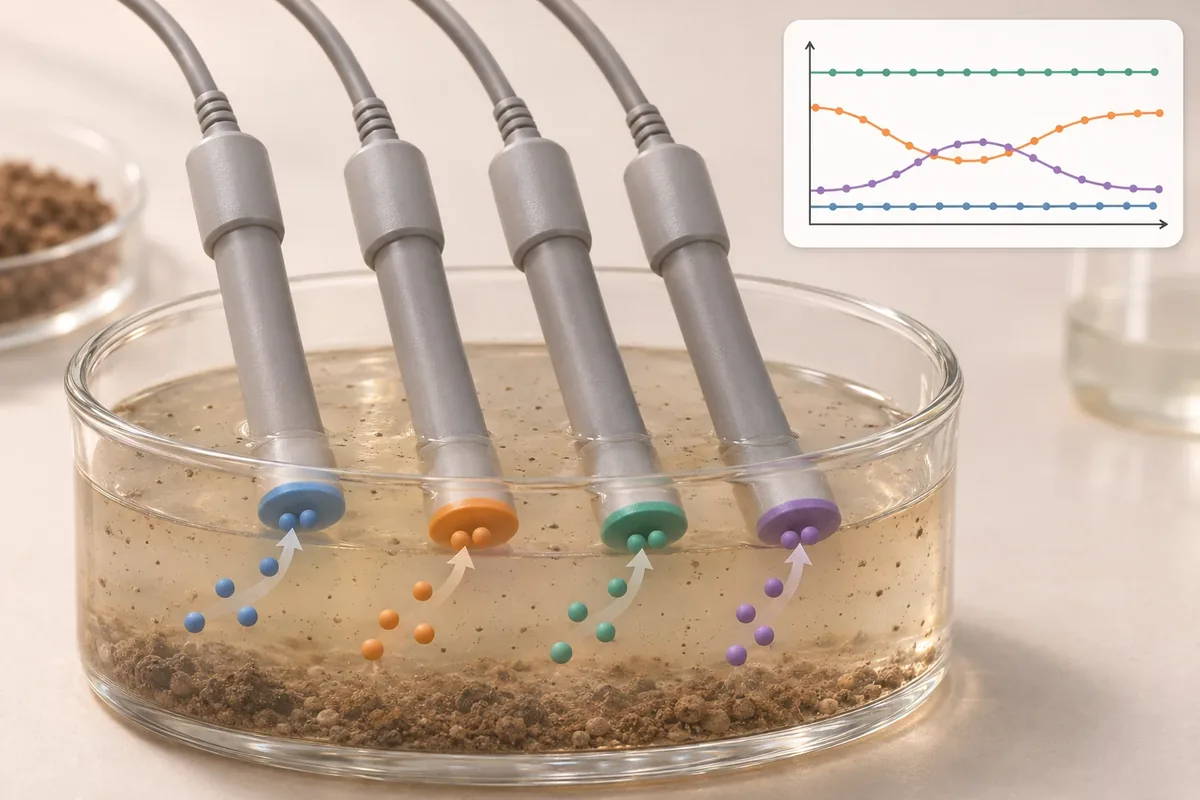
- Liquid-membrane ion-selective electrodes for nitrogen-related ions (nitrate, nitrite, ammonium), phosphorus-related ions, potassium and pH, with membrane compositions tuned for selectivity and durability.
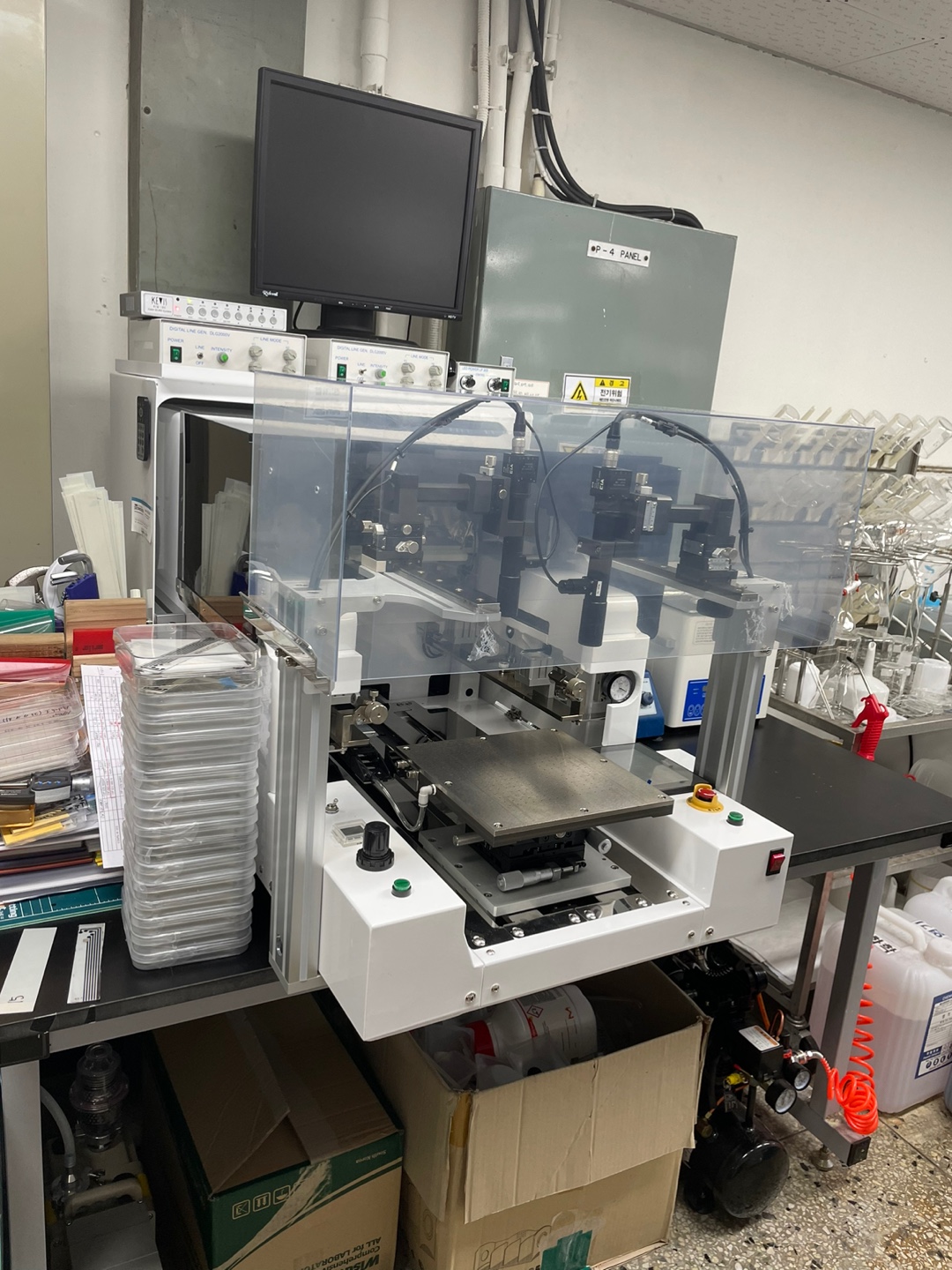
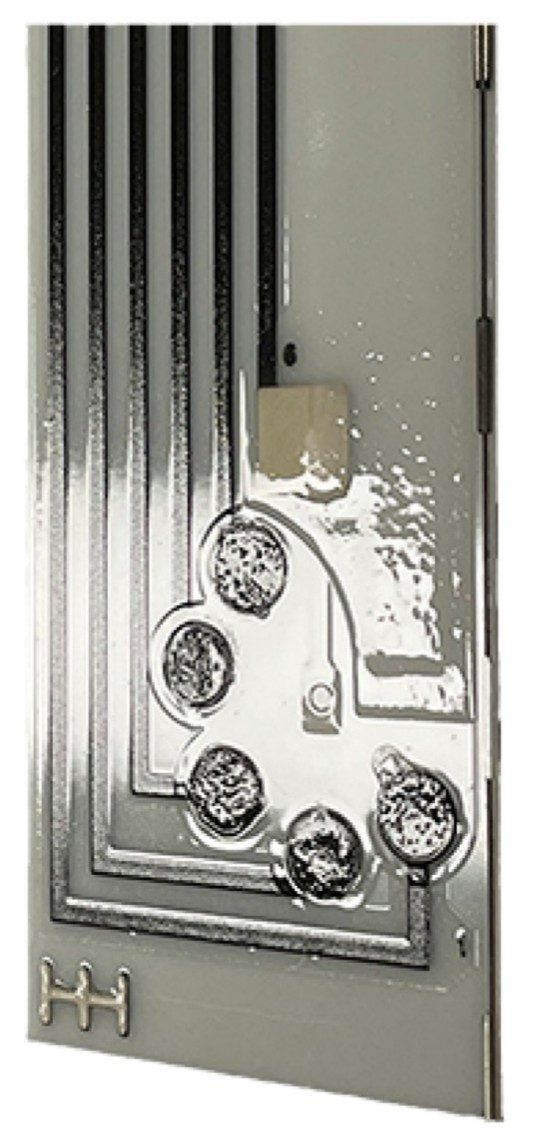
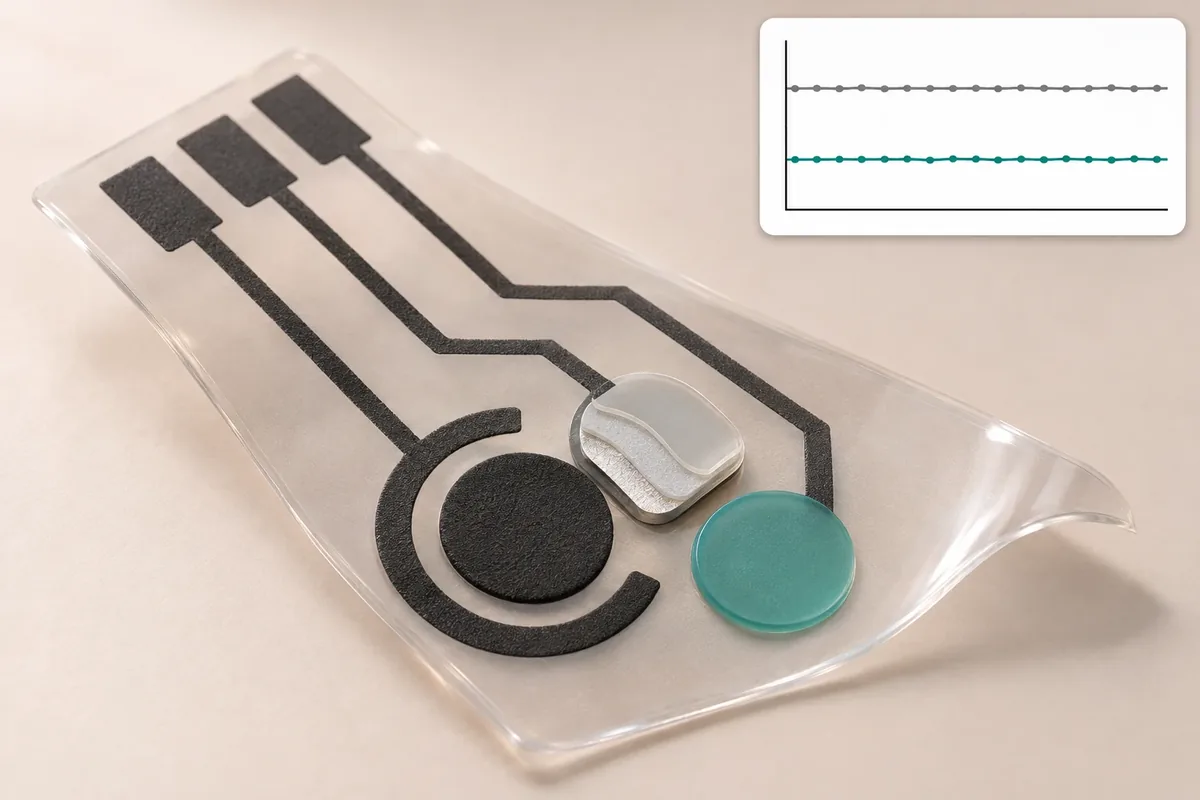
- Screen-printed electrodes that put several ion channels side by side on one strip, with a printed reference electrode designed for long-term stability, at low cost.
- Field trials in upland soil, hydroponic nutrient solutions and, since 2026, a paddy field.
- Where the readings go: fertilizer decisions in soil, nutrient solution management in hydroponics, irrigation and paddy water, and water quality in agriculture.
Beyond the farm. An ion-selective electrode works wherever there is water, so we are taking the same electrodes to aquaculture and fisheries, environmental water quality, urban monitoring, and food and forestry. These applications are at an early stage.
From the lab to the field. Prof. Kim is founding iontrix, a startup that takes these electrodes out of the lab and into field use. The research behind them stays here.
Try it
Move the slider, read the ion simulation
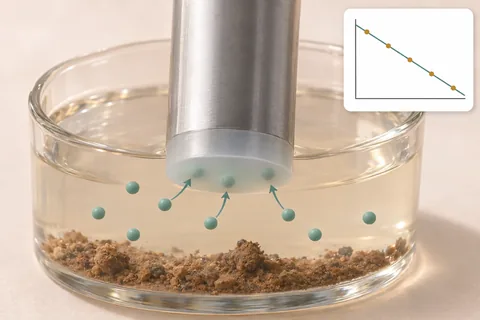
Measured against a reference electrode, an ideal (Nernstian) ion-selective electrode shifts by 59.16/z mV for every tenfold change in ion activity at 25 °C, then flattens below the detection limit.
E − E° = (59.16 mV / z) · log(a + aLOD), 25 °C, detection limit aLOD = 10⁻⁶ (assumed). Activity a is dimensionless, taken relative to 1 M. For K⁺ at a = 10⁻⁵ this gives −293.4 mV relative to a = 1.
Selected papers
 Oh, S.†; Ha, J.†; Chun, H. C.*; Kim, I. T.*; Kim, Y.-R.* Phosphate ion-selective electrode based on a cyclic polyamine ionophore for soil analysis. Sens. Actuators, B 2026, 453, 139555. DOI: 10.1016/j.snb.2026.139555
 Hong, S.; Kim, E.; Park, E.; Moon, S. M.; Chun, H. C.*; Kim, Y.-R.* Ion-selective electrodes for soil nutrient monitoring of potassium and nitrogen-related ions. J. Electroanal. Chem. 2025, 999, 119613. DOI: 10.1016/j.jelechem.2025.119613
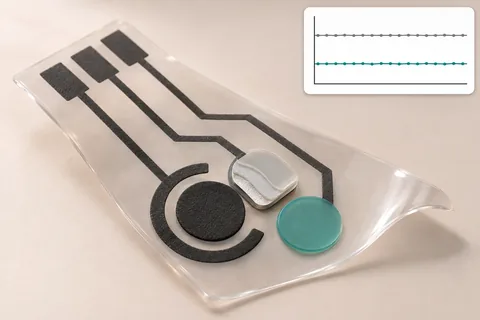 Hong, S.; Oh, S.; Kim, E.; Park, E.; Chun, H. C.*; Kim, I. T.*; Kim, Y.-R.* Fabrication of screen-printed electrodes with long-term stability for voltammetric and potentiometric applications. Sens. Actuators Rep. 2024, 8, 100234. DOI: 10.1016/j.snr.2024.100234 Invited paper
Field trials and partners
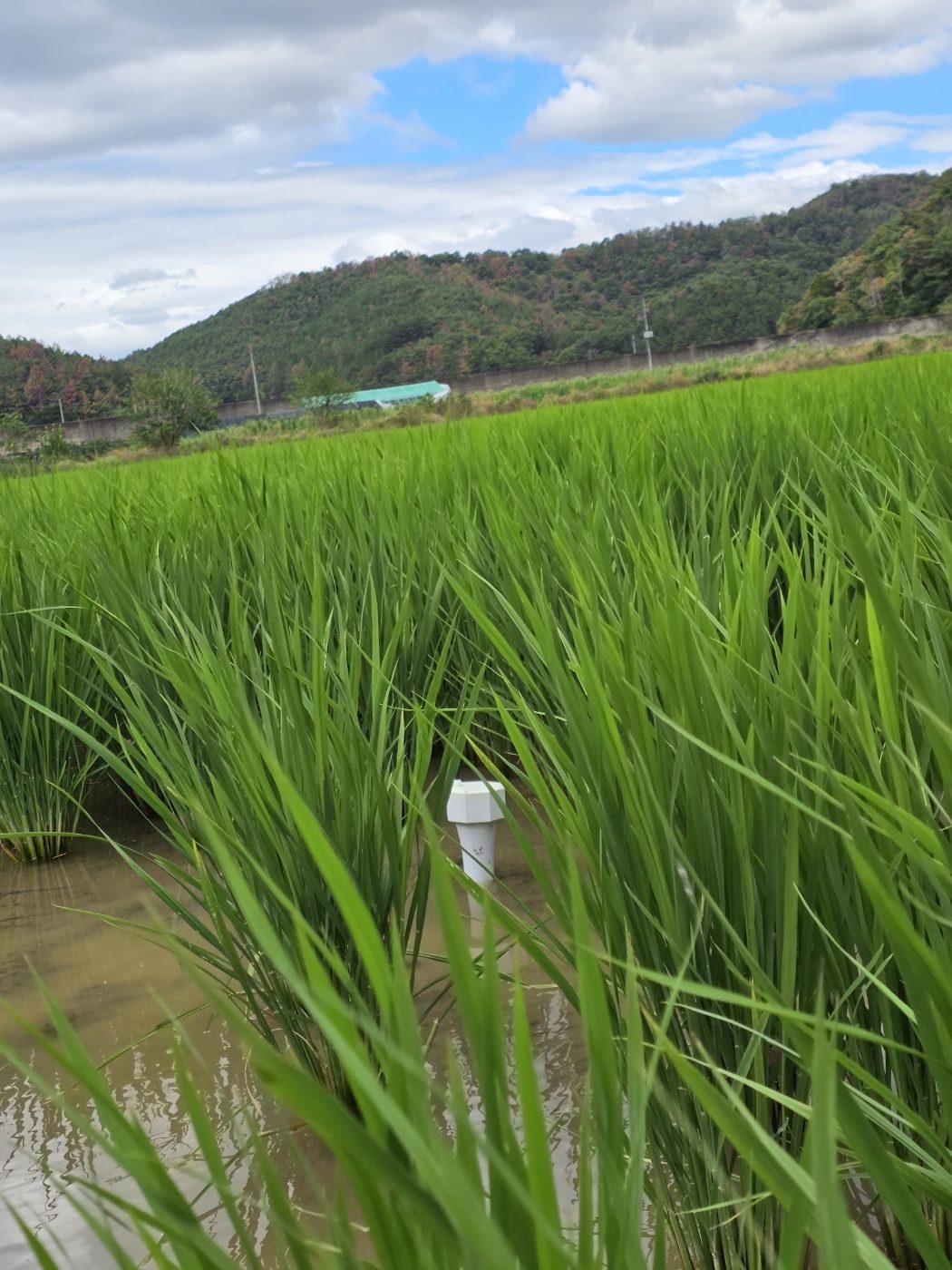
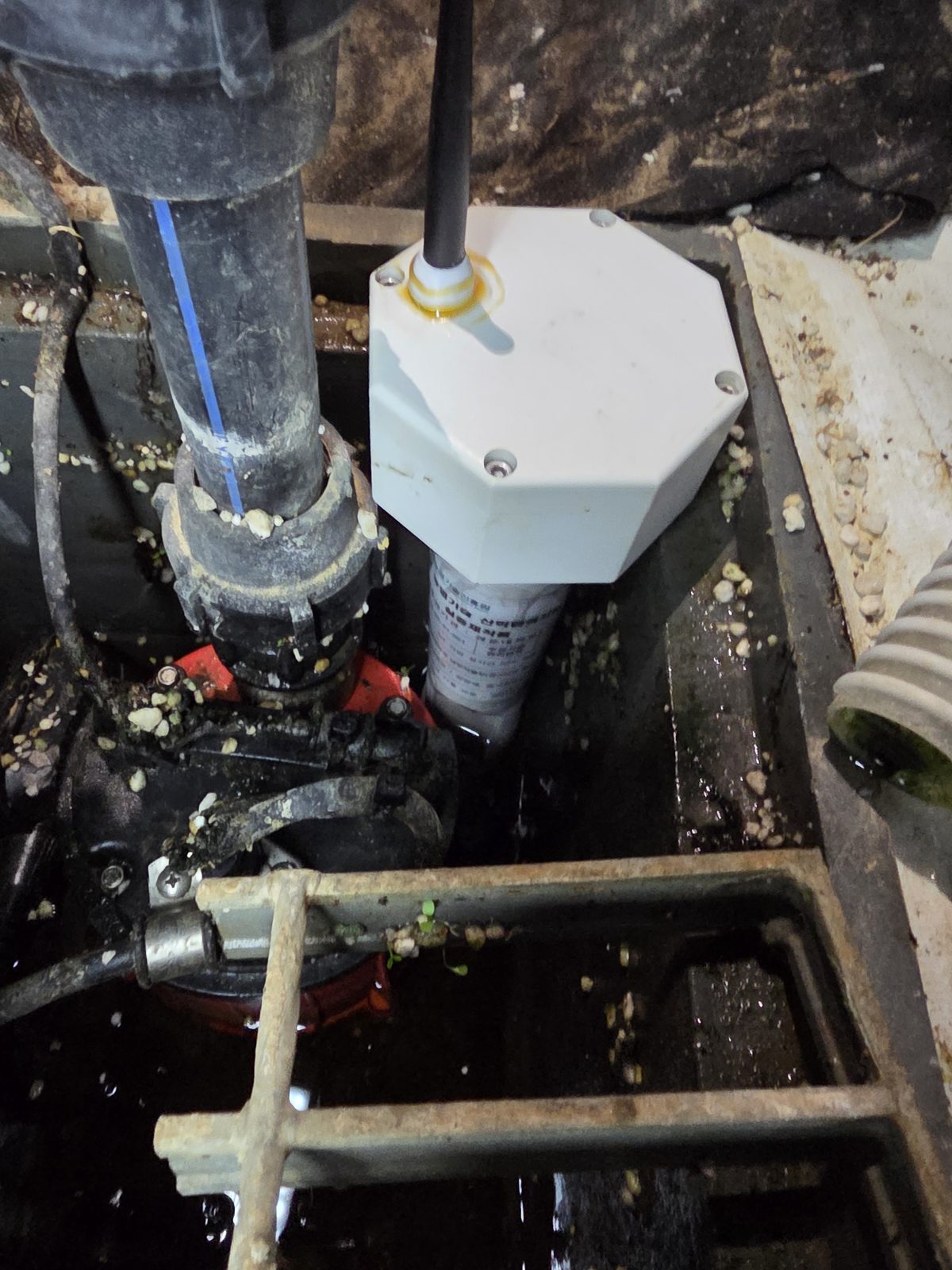
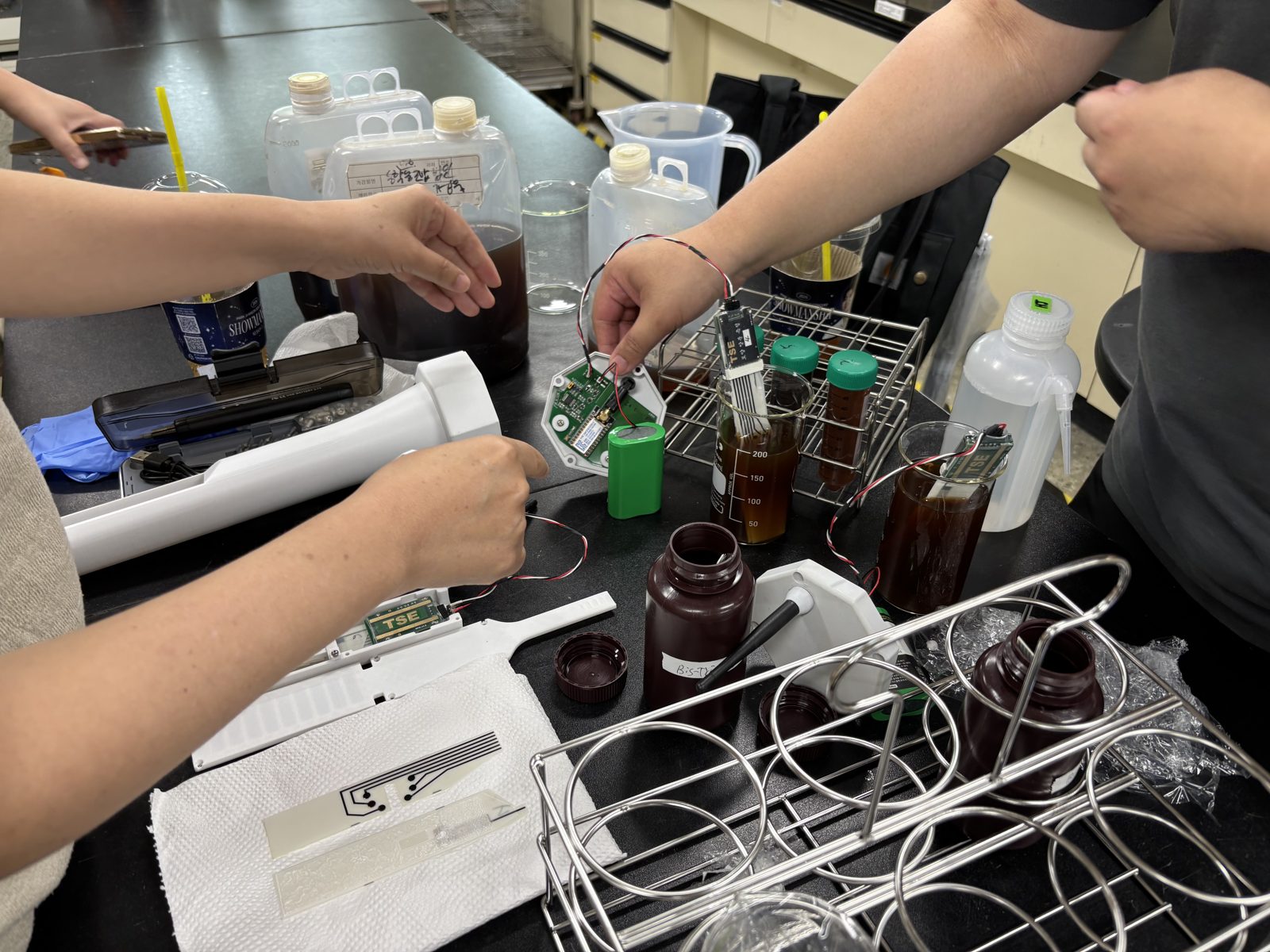
Field trials in progress (2026)
National Institute of Crop Science
Rural Development Administration
Field trials in progress (2026)
Gyeongsangnam-do Agricultural Research and Extension Services
Joint research
Korea University
Other themes
- 02Nanoelectrochemistry and imagingReactions measured and mapped at the nanoscale with nanoelectrodes, scanning probes and nanopipettes, and features written with them.
- 03Mediated enzyme electrodesMediators that carry electrons from enzymes to electrodes, designed in the lab for glucose strips and microneedles.
- 04Electrodeposition and patterningFilms and patterns grown by current, cathodic or anodic, from the first nuclei to patterned electrodes.
- 05Electrochemical surface modificationMolecular layers grafted and grown on electrodes: aryldiazonium layers and electropolymerized films.
- 06Molecular electrochemistryHow molecules gain and lose electrons, seen through current and light: mechanisms, proton-coupled electron transfer and spectroelectrochemistry.
Join us
Graduate school
MS, PhD and integrated MS–PhD. Email Prof. Yang-Rae Kim with a short note on your background and the theme that interests you. Applications go through the Kwangwoon University Graduate School (grad.kw.ac.kr).
Subject: Graduate study
Undergraduate research
Tell us your major, year and interests. You start by making electrodes and measuring with them yourself.
Subject: Undergraduate research
International applicants: no degree positions at present. Researchers who want to collaborate are welcome: see Contact and Equipment.