02 / 06
Nanoelectrochemistry and imaging
Reactions measured and mapped at the nanoscale.
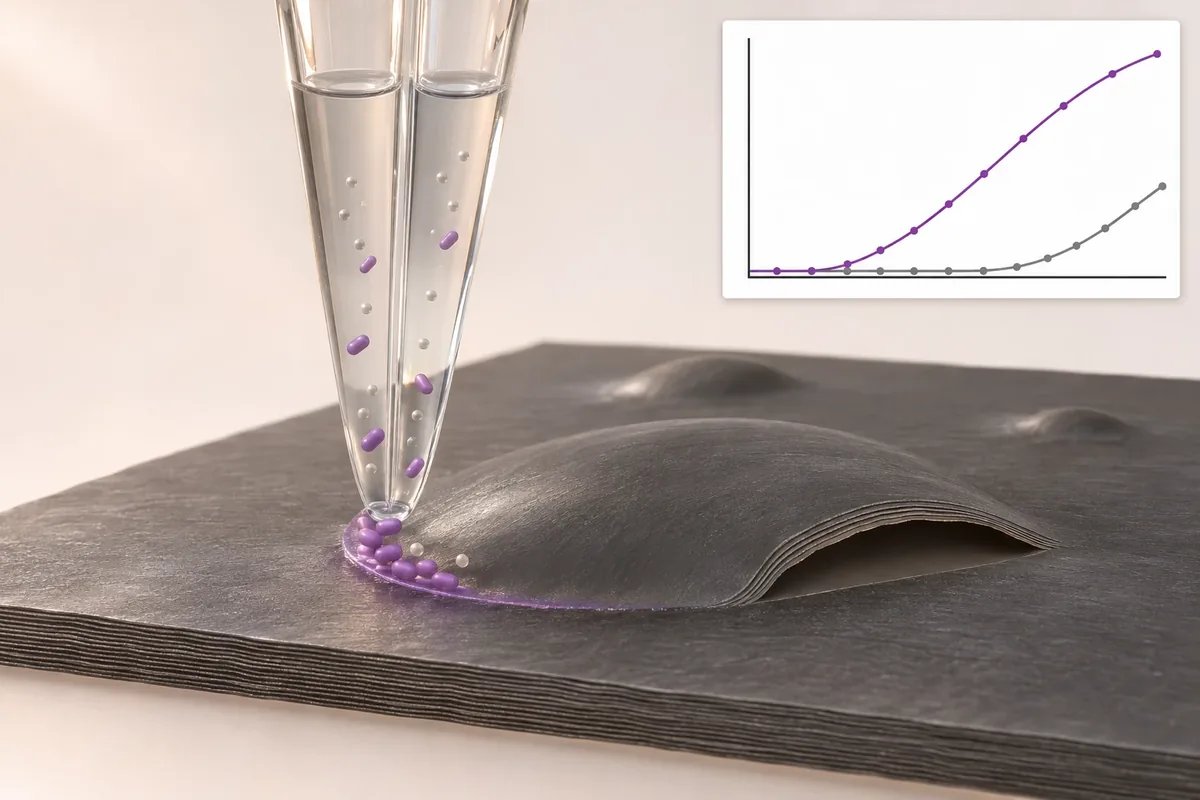
Model surface. The map in the scene above is a conceptual model, not a measurement.
The current from a whole electrode is the sum of many small reactions, so it reads like an average. Nanopipettes and scanning probes map what that average hides: the activity of a single nanoparticle, a step edge on graphite, a defect in a two-dimensional material.
What this line covers. The results so far come from Prof. Kim's postdoctoral work at the University of Warwick; at Kwangwoon the line is being rebuilt with new students.
- Scanning probe techniques: scanning electrochemical microscopy (SECM), scanning ion conductance microscopy (SICM), scanning electrochemical cell microscopy (SECCM), and their combinations, used in situ and operando.
- Single-entity electrochemistry: nanoparticles and two-dimensional materials measured one at a time, in situ.
- Physical electrochemistry at the nanoscale: energy storage and conversion reactions, stochastic events, density of states, quantum capacitance and the electrical double layer, and new theory for electrodes this small.
- Building the instruments: probe positioning, data acquisition and control written in-house (LabVIEW, FPGA), the first skill new members will build.
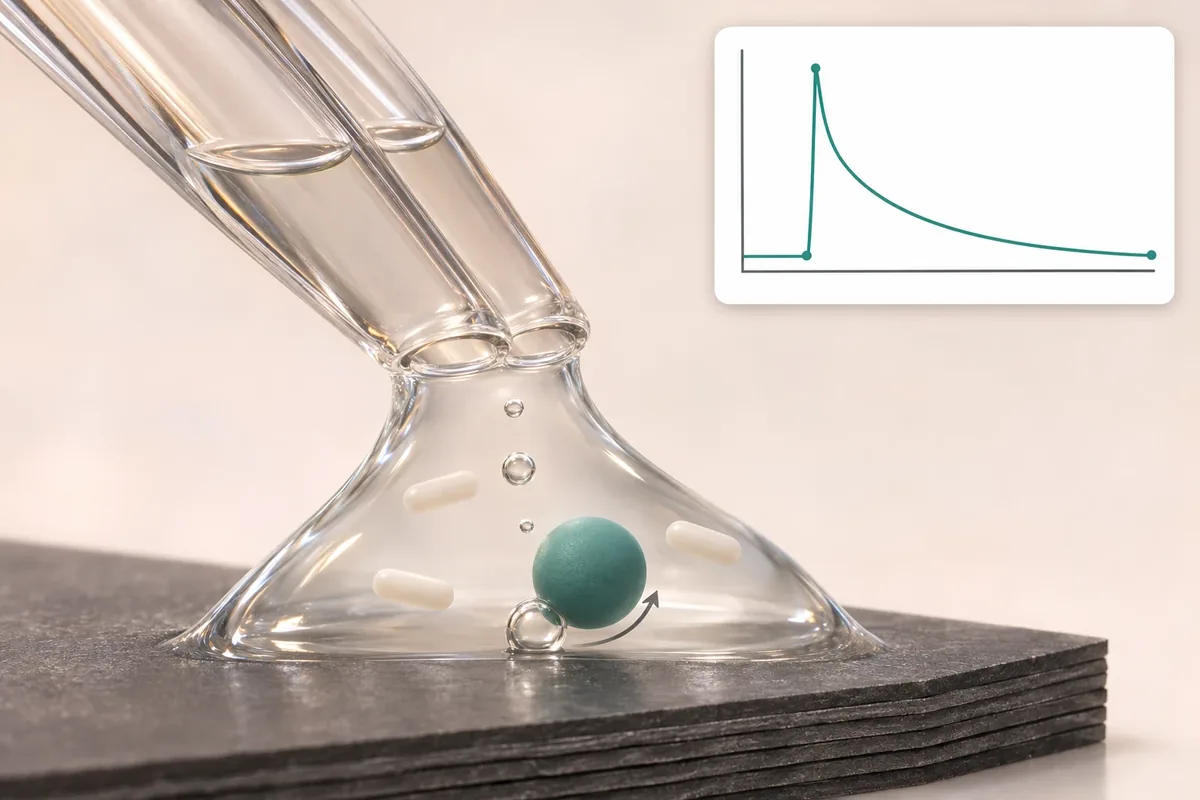
- Electrochemical nanolithography: using the same pipettes and probes to deposit, etch and print features in three dimensions with the meniscus at the tip, a direction we plan to explore. Patterned electrodes made by lithography and deposition: electrodeposition and patterning →
Try it
Hover or tap to scan simulation
Each pixel is one tiny measurement made by touching the surface with a droplet at the end of a pipette. The map is a conceptual model.
A conceptual surface with four active particles and a step edge, revealed one pixel at a time as in scanning electrochemical cell microscopy.
Selected papers
Both papers come from the PI's postdoctoral work at the University of Warwick.
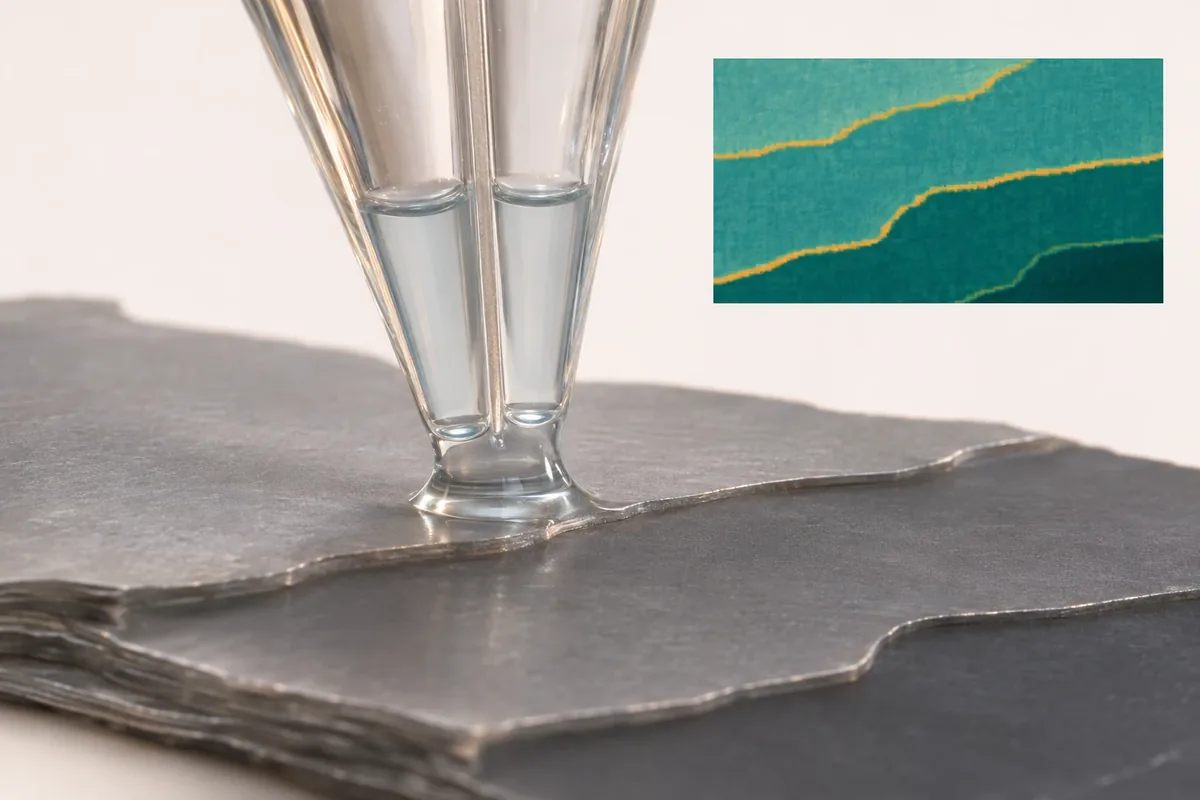
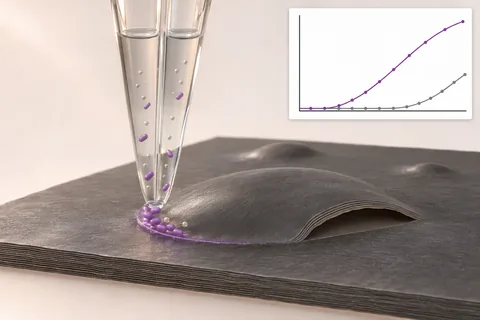 Sharel, P. E.; Kim, Y.-R.; Perry, D.; Bentley, C.; Unwin, P. R.* Nanoscale electrocatalysis of hydrazine electro-oxidation at blistered graphite electrodes. ACS Appl. Mater. Interfaces 2016, 8, 30458–30466. DOI: 10.1021/acsami.6b10940
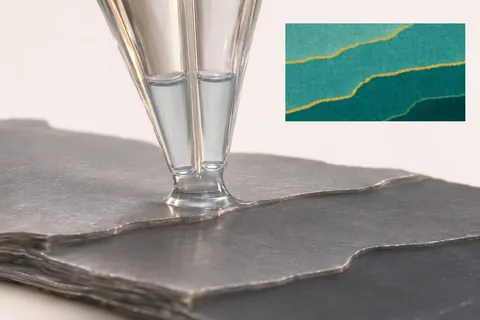 Güell, A. G.†*; Cuharuc, A. S.†; Kim, Y.-R.†; Zhang, G.; Tan, S.-y.; Ebejer, N.; Unwin, P. R.* Redox-dependent spatially resolved electrochemistry at graphene and graphite step edges. ACS Nano 2015, 9, 3558–3571. DOI: 10.1021/acsnano.5b00550
Other themes
- 01Ion-selective electrodesElectrodes that pick one ion out of many, used to read nutrients in soil and hydroponic solutions.
- 03Mediated enzyme electrodesMediators that carry electrons from enzymes to electrodes, designed in the lab for glucose strips and microneedles.
- 04Electrodeposition and patterningFilms and patterns grown by current, cathodic or anodic, from the first nuclei to patterned electrodes.
- 05Electrochemical surface modificationMolecular layers grafted and grown on electrodes: aryldiazonium layers and electropolymerized films.
- 06Molecular electrochemistryHow molecules gain and lose electrons, seen through current and light: mechanisms, proton-coupled electron transfer and spectroelectrochemistry.
Join us
Imaging is one of our current priorities for new students.
Graduate school
MS, PhD and integrated MS–PhD. Email Prof. Yang-Rae Kim with a short note on your background and the theme that interests you. Applications go through the Kwangwoon University Graduate School (grad.kw.ac.kr).
Subject: Graduate study
Undergraduate research
Tell us your major, year and interests. You start by making electrodes and measuring with them yourself.
Subject: Undergraduate research
International applicants: no degree positions at present. Researchers who want to collaborate are welcome: see Contact and Equipment.